Gemercel Studio
CAD at the counter.
She designed it in her head in ninety seconds. Catch up before she leaves the store.
This ring is the Studio’s own render stack. Drag it.
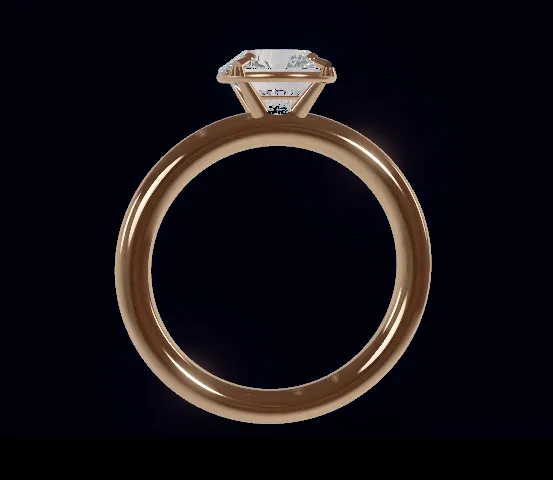
parametric · engine-priced · rendered live
How it works
Sketch to cast.
Four steps, one visit — no two-week wait.
- 01
Describe it. Or show it.
A sentence or her Pinterest photo becomes proposed parameters — reviewed by your designer, never auto-applied.
photo → CAD · human approves every proposal
- 02
Solve it.
The kernel builds a manufacturable model — real prongs, real seats, checked against casting rules.
change stone, size, metal — re-solves in seconds
- 03
Price it.
Metal weight and stone plan feed the pricing engine live, while she's still at the counter.
cost · margin · her number — same visit
- 04
Cast it.
Casting-ready STL for your own caster, attached to the work order, every revision on the record.
your caster · full provenance · her approval recorded
What's inside
The bureau, built in.
A design studio's toolkit on a retailer's workflow.
Photo → CAD
Lightbox renders
True-size try-on
Engine-priced always
Templates that compound
Provenance built in
Custom commissions close at multiples of a case sale. The store that can say “yes, watch this” wins them.
Bring a sketch. Leave with a ring.